There is a tendency to talk about careers as though they’re built in straight lines. You study something, you get the job, you climb the ladder, you arrive neatly at the thing you were always supposed to do.
Mine has looked nothing like that.
It has been more of a winding route through writing, hospitality, teaching, travel, community work and communications. At times, it made perfect sense. At other times, it looked like a cupboard full of mismatched cups. Useful, well-loved, collected from different places, but not obviously part of one set.
The Wren Edit came from making sense of that collection.
I studied journalism because I loved human stories. I loved finding out how people lived, what they stood for, how they made the choices they did and created meaning from the places around them. After my degree, I moved into different kinds of writing: copywriting, content marketing, magazine features, reviewing and sustainable travel writing.
Writing gave me the foundations, but it was never the only part of my working life.
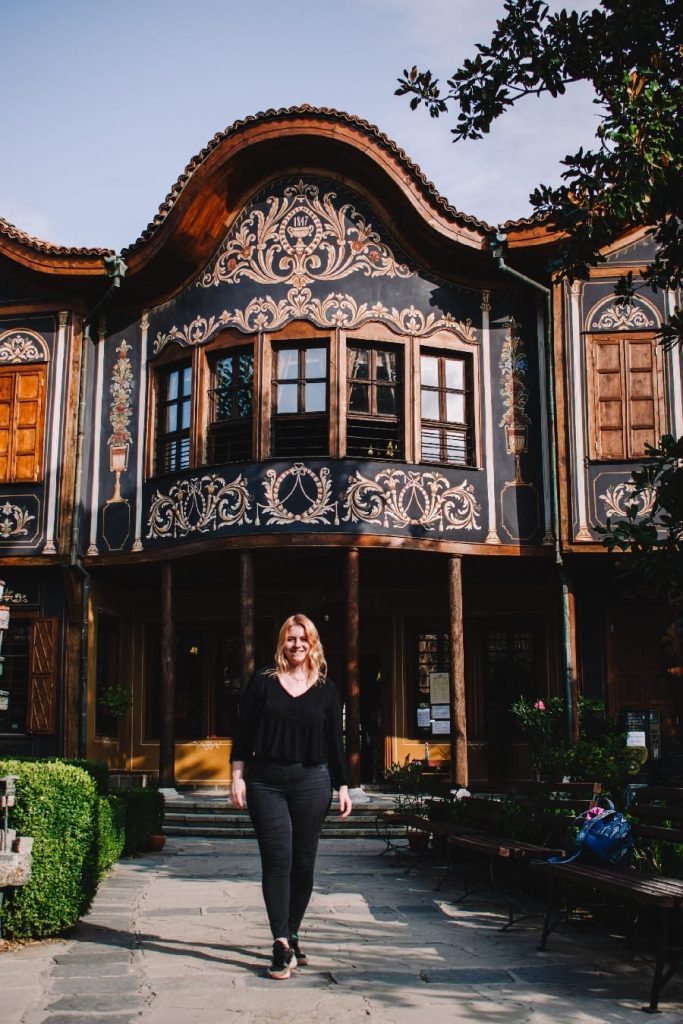
For years, I worked in hospitality management too, which took me from Edinburgh to the French Alps as a front of house manager in a boutique hotel, and later to an agriturismo in Italy. Hospitality is one of the best communications schools you can attend without ever sitting in a lecture room. You learn very quickly how to read people, solve problems, notice details and explain things clearly when everyone is busy, tired or hungry – maybe a combination of all three!
After that, I retrained as an ESOL teacher and lived in Slovakia and Bulgaria, building an online teaching and writing career that allowed me to work while travelling through Europe as a house sitter.
It sounds idyllic compressed into a few sentences, and parts of it really were. There were mountain views, Italian kitchens, long train journeys, lively classrooms, many, many cats and lesson plans written from cafés in places I was still learning how to pronounce.
There was also uncertainty, patchy Wi-Fi, odd hours, homesickness, admin, and the constant practical work of building a life in different places.
What stayed the same was the pull towards connection.
Building connection
Wherever I lived, I found myself looking for ways to be useful. Teaching English. Babysitting students during the summer. Pet sitting. Helping a friend set up a conversation café. Writing something for someone who didn’t know where to start. Being part of small communities wherever I could, even if only for a short time.
This is probably where my approach to communications really started to take shape. Not in a branding workshop, but in kitchens, classrooms, hotel receptions, and conversations where someone needed the right words to make something easier.
When I came back to Edinburgh, I didn’t know exactly what I wanted to do next. I had a journalism degree, years of writing experience, teaching experience, hospitality management experience and a fairly robust ability to work things out in unfamiliar situations.
I knew how to adapt to different audiences, explain things simply and make people feel welcome. I had learned how to listen carefully, notice what mattered and find the story underneath the information.
But I wasn’t sure where all of that belonged.
Then I found flexible communications work in the third sector, and something clicked into place.
Finding my place in purpose-led comms
At The Welcoming Association, I work across communications and campaigns for an organisation supporting refugees, asylum seekers and migrants in Edinburgh.
On paper, my role involves blogs, newsletters, social media, press releases, campaign materials, internal communications, member notices, website updates and impact stories.
In reality, it is about helping people understand the value of work that is often deeply human, complex and happening in a very difficult public climate.
Third sector communications has given me a renewed sense of what this work can mean. After years of copywriting and content marketing, it reminded me that communications is not just about visibility. It’s about trust, clarity and dignity. It’s also about making sure the right people have the right information, and that the people at the heart of the story are spoken about with care.
That matters when you are communicating around migration, community, poverty, belonging, public services, misinformation and people’s real lives.
A service update is rarely just a service update. It might be someone finding English classes after months of isolation. It might be a parent getting support to navigate life in a new city. It might be a volunteer making a friendship that changes their own understanding of Edinburgh. It might be a small community event that gives people the confidence to speak, ask questions or feel less alone.
The job is often to spot that thread and shape it into something useful.
It has made me more thoughtful as a communicator, and much more aware of the responsibility that comes with words.
It has also enriched my life in a way I did not expect.
Working in third sector communications has brought me back to the part of work I have always cared about most: people. The small details of people’s lives. The community spaces that keep cities human. The practical projects that make a difference quietly, week after week. The colleagues doing thoughtful, difficult work behind the scenes. The stories that deserve to be told properly, not flattened into generic “impact content”.
The Wren Edit is born
That experience also feeds directly into the work I do through The Wren Edit.
My freelance work is often with children’s activity providers, class-based businesses and purpose-led organisations. On the surface, that might seem like a very different world. But the communications needs are surprisingly connected.
A children’s activity provider also needs to build trust. They need to explain what they do clearly to busy parents and to show the value of their work beyond the timetable and the booking link.
They need to talk about confidence, learning, creativity, community and the small transformations that happen in a room full of children, week after week.
What they really need is content that sounds human i.e. newsletters that people actually want to read!
That is the kind of work I do at The Wren Edit.
I help with blogs, newsletters, website copy, social media content, launch campaigns and the behind-the-scenes communications support that helps businesses show up more clearly.
While class-based businesses are my main area of expertise, I am also open to working with small businesses, charities and purpose-led organisations more widely. What matters to me is working with people who care about what they do and want to communicate it in a way that feels thoughtful, useful and true to them.
What is good communications?
Good communications (in my eyes), is about understanding what people need to know, what they need to feel, what might be confusing them, what matters most, and what will help them take the next step.
The Wren Edit didn’t come from one job, one industry or one tidy career move. It came from years of gathering experience in different places and eventually realising there was a thread running through all of it.
That is the thread I bring into my work now.
So, if you know the story is there but you’re struggling to shape it, or if your blogs, newsletters and content have slipped to the bottom of the list, I’d love to help.
Get in touch with me at The Wren Edit.

Leave a Reply